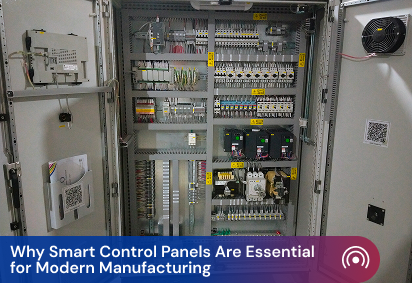
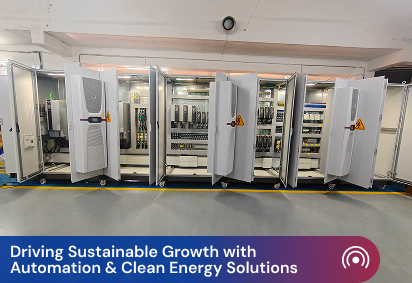
Modern manufacturing industries require intelligent systems capable of managing complex operations with accuracy and efficiency. Smart control panels have become essential components in industrial automation, enabling seamless machine control, energy management, and process optimization.
Wicon delivers high-performance industrial control panels engineered for reliability, safety, and advanced automation applications.
What Are Smart Control Panels?
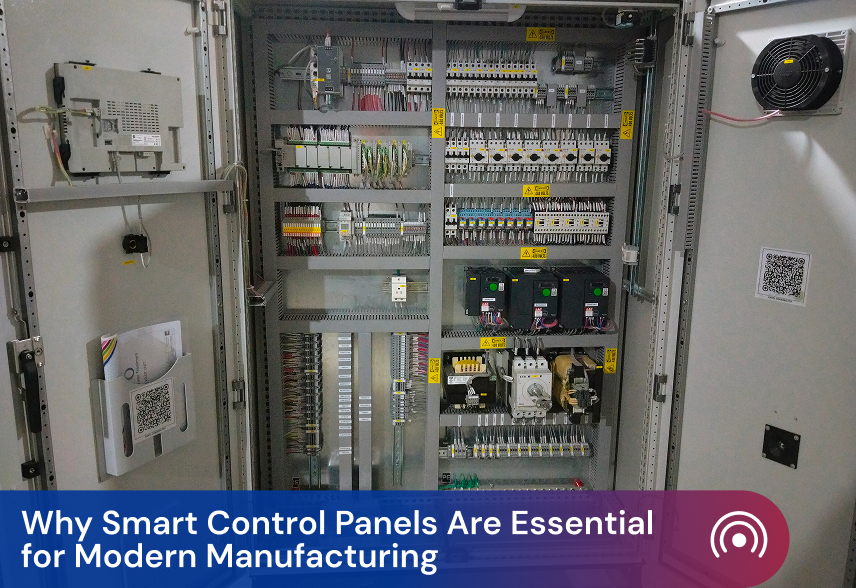
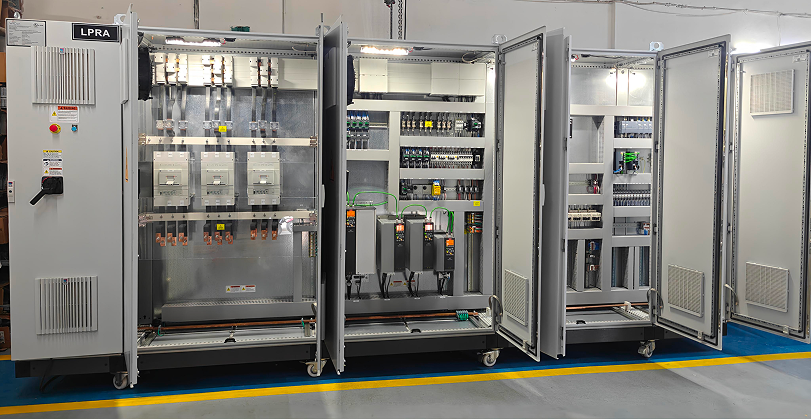
Control panels are centralized electrical systems used to operate and manage industrial equipment. They house components such as:
Modern smart control panels integrate automation technologies and digital monitoring capabilities for better performance and process control.
1. Enhanced Process Control
Smart panels provide accurate monitoring and control over industrial operations, ensuring smoother production and improved product quality.
2. Improved Safety
Industrial panels include protective systems that help prevent electrical failures, overloads, and short circuits, creating safer working environments.
3. Energy Efficiency
Advanced control systems optimize energy usage by controlling motors, pumps, compressors, and other industrial equipment more efficiently.
4. Reduced Maintenance Costs
Real-time diagnostics and automated alerts help maintenance teams identify issues before they become critical failures.
5. Better Productivity
Automation minimizes manual intervention and allows production systems to run continuously with higher efficiency and reduced errors.
Industries Using Smart Panels
Smart control panels are widely used in:
Importance of Certified Panels
Industries increasingly prefer control panels with certifications such as:
CPRI Approved
Panel Builder
ERDA Approved
Panel Builder
ISO Certified
Organization
UL Approval for USA/Canada
Certified systems ensure reliability, safety, and compliance with international industrial standards.
Future of Industrial Panels
The future of smart control panels includes:
Conclusion
Smart control panels are a vital part of modern industrial automation. They improve operational efficiency, enhance safety, reduce downtime, and support smarter manufacturing processes.
As industries continue embracing digital transformation, intelligent control systems will remain essential for achieving long-term productivity and growth.